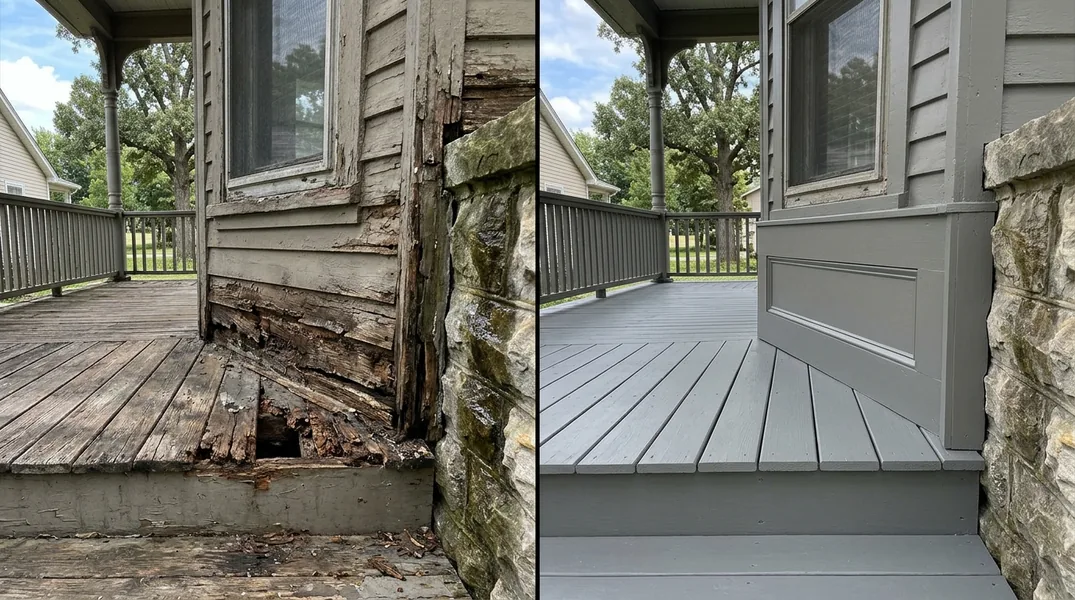
Understanding Dry Rot vs Termite Damage
If you own a home in Springfield, you've likely heard warnings about wood-destroying pests and fungi. Two of the most common culprits behind structural wood damage are dry rot and termites, yet they work in entirely different ways. Understanding the distinction between these two problems is crucial because the solutions differ dramatically, and misidentifying the issue can lead to wasted time and money on ineffective repairs.
Dry rot is not actually caused by moisture in the traditional sense, despite its misleading name. Instead, it's a fungal disease that thrives in damp conditions and literally consumes the cellulose fibers in wood, leaving it brittle and crumbly. Termites, on the other hand, are insects that actively eat wood as a food source, creating hollow galleries and tunnels as they work. While both can compromise your home's structural integrity, they require completely different treatment approaches. Recognizing which problem you're facing is the first step toward effective remediation.
What Does Wood Rot Look Like: Identifying Dry Rot
Dry rot has a distinctly recognizable appearance that can help you spot it early. The affected wood typically takes on a dark brown color, often appearing almost charred or burnt in appearance. As the fungus continues to spread, the wood becomes increasingly brittle and may crack in a distinctive cubic pattern, where the wood splits into small, cube-shaped pieces. This cracking pattern is one of the most telltale signs of dry rot and is rarely seen with other forms of wood damage.
Beyond the visual cues, dry rot often leaves behind a fine, powdery residue that looks similar to dust or flour. You may also notice a musty, earthy smell in affected areas, which is the odor of the fungal growth. In advanced cases, you might see white or grayish fungal strands (called mycelium) spreading across the wood surface or nearby materials. If you suspect dry rot in your Springfield home, it's essential to have it professionally assessed, as the damage can spread rapidly through structural elements like beams, joists, and framing.
Recognizing Signs of Termite Damage in Wood
Termite damage presents a very different visual profile compared to dry rot. When termites infest wood, they create extensive tunnel networks and galleries that run along the grain, leaving the wood hollowed out from the inside. Unlike dry rot, which tends to create a crumbly, powdery appearance, termite-damaged wood often appears relatively intact on the surface while being completely compromised internally. This hidden damage is what makes termites particularly insidious, as structural failure can occur suddenly without obvious warning signs.
One of the most distinctive indicators of termite activity is the presence of mud tubes. Subterranean termites, which are common in Missouri, build these pencil-sized tubes from soil to wood, using them as protected highways. You'll typically find these tubes running up foundation walls or along basement beams. Additionally, you may notice discarded wings near windowsills or entry points, as termites shed their wings after swarming. In some cases, you might hear a faint clicking or rustling sound within the walls, which is the termites actively feeding. If you discover any of these signs, contact Springfield Carpentry for a free estimate to assess the extent of the problem.
Key Differences: How to Tell Them Apart
The most fundamental difference between dry rot and termite damage lies in their origin and progression. Dry rot is caused by fungal spores that require moisture to activate and spread, while termites are living organisms that actively consume wood regardless of moisture levels. This means dry rot typically develops in areas with poor ventilation or water intrusion, such as crawl spaces, bathrooms, or around leaking pipes. Termites, conversely, can infest any area where they can access wood, though they do prefer moist environments.
Another key distinction is the pattern of destruction. Dry rot spreads somewhat unpredictably through wood, following the path of moisture and fungal growth, and creates that characteristic cubic cracking pattern. Termite damage follows the wood grain and creates clean, gallery-like tunnels that run parallel to the grain structure. When you examine damaged wood closely, dry rot will crumble easily into powder when poked, while termite-damaged wood may feel hollow or papery but often retains its structural shape on the surface. Understanding these differences helps homeowners communicate more effectively with professionals when seeking Wood Rot & Dry Rot Repair or Termite Damage Repair services.
Where Each Problem Typically Occurs in Your Home
Dry rot has a strong preference for poorly ventilated, damp areas of your home. You're most likely to find it in crawl spaces, basements, under sinks, around bathroom plumbing, and in attics with roof leaks. Any area where moisture accumulates and air circulation is limited creates an ideal environment for dry rot fungi to flourish. Wooden beams, joists, and subfloors in these areas are particularly vulnerable, which is why Floor Joist & Subfloor Repair is one of the most common services requested by homeowners dealing with advanced dry rot.
Termites, by contrast, can appear virtually anywhere in your home where wood is accessible. Subterranean termites typically enter through the foundation and work their way upward, so you'll often find damage starting at ground level and progressing through floor joists, wall framing, and even roof structures. They're particularly attracted to wood that's in contact with soil or near moisture sources, but they can establish colonies in completely dry areas once they've created their mud tube access routes. Both problems can eventually threaten load-bearing elements, potentially necessitating Beam Replacement & Load-Bearing Wall Removal in severe cases.
When to Call a Professional: Wood Rot & Dry Rot Repair Near Me
If you've identified signs of either dry rot or termite damage in your home, professional assessment and repair should be your next step. While small, superficial damage might be addressed with localized treatment, any significant structural involvement requires expert intervention. Attempting DIY repairs on structural elements can be dangerous and ineffective, potentially allowing the problem to worsen while creating false confidence that the issue has been resolved. The stakes are too high when your home's safety is involved.
Springfield Carpentry specializes in both Wood Rot & Dry Rot Repair and comprehensive termite damage restoration. Our team can accurately diagnose which problem you're facing, assess the full extent of the damage, and develop a targeted repair strategy tailored to your specific situation. We understand the unique challenges that Springfield homeowners face, and we're equipped to handle everything from minor repairs to major structural restoration. Whether you're concerned about a suspicious soft spot in your basement or visible tunneling in your framing, don't wait for the problem to escalate. Call us at (417) 815-0186 or request a free estimate today, and let's protect your home's structural integrity.
Looking for a professional carpentry contractor in Springfield? Springfield Carpentry responds fast for all your carpentry needs.
Get a Free QuoteOur services: Wood Rot & Dry Rot Repair · Termite Damage Repair · Floor Joist & Subfloor Repair