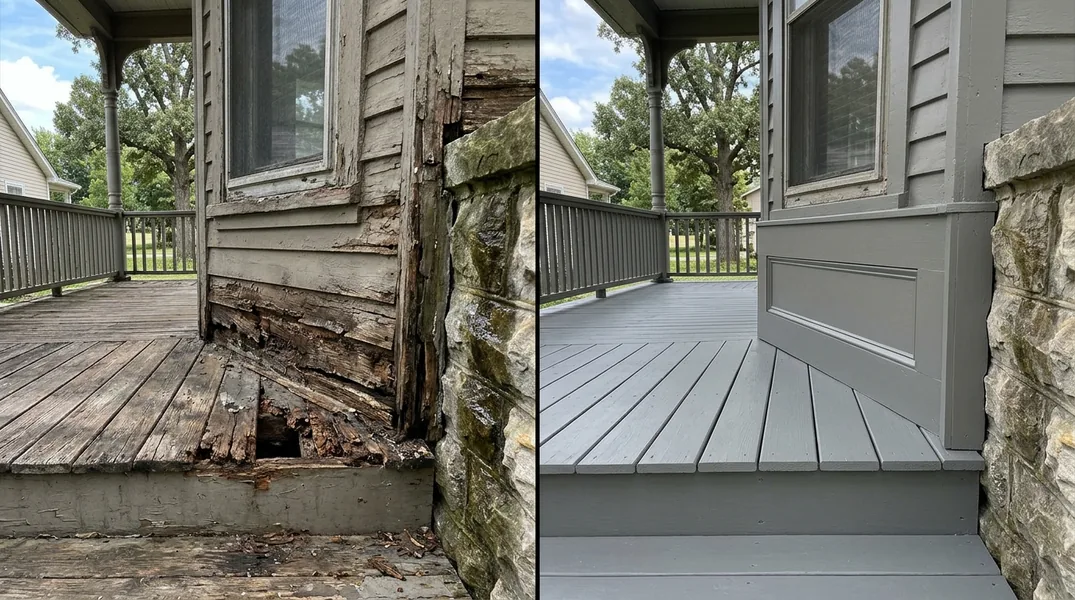
Why Midtown Victorians and Rountree Bungalows Need Special Attention
Springfield's architectural heritage is one of its greatest assets. The stately Victorians of Midtown and the charming Craftsman bungalows of Rountree represent a century or more of character, craftsmanship, and neighborhood identity. But this beauty comes with a responsibility that many newer homeowners underestimate: these older homes demand consistent, informed maintenance to protect their structural integrity and preserve their charm.
The challenge isn't that Victorian and Craftsman homes are inherently fragile. Rather, they were built with materials and methods that age differently than modern construction. The wood framing, siding, and trim that gives these homes their distinctive character also requires a different maintenance philosophy. Unlike vinyl-clad homes that can go years without attention, historic wood structures need regular inspection and prompt intervention when problems emerge. Understanding these needs is the first step toward responsible stewardship of your home.
Understanding Wood Rot and Dry Rot in Older Homes
Wood Rot and Dry Rot Repair is one of the most common issues Springfield homeowners face with Victorian and Craftsman properties. Many people use these terms interchangeably, but understanding the difference can help you recognize problems early. Wet rot occurs when wood is exposed to persistent moisture, whether from roof leaks, foundation seepage, or poor drainage. The wood becomes soft, spongy, and darkens as fungi break down the cellulose. Dry rot, despite its name, also requires moisture to begin, but it can spread through wood that appears dry, making it particularly insidious in hidden wall cavities and crawl spaces.
The reason older homes are vulnerable has everything to do with their construction. Victorian homes often have single-layer exterior walls with minimal insulation, while Craftsman bungalows, though better designed, still lack the moisture barriers that modern building codes mandate. Add in decades of settling, expanding, and contracting wood, and you create countless small gaps where water can infiltrate. The wood siding repair needs that result are rarely cosmetic. Left unchecked, rot can compromise floor joists, compromise structural walls, and create safety hazards that extend far beyond the visible damage.
Common Problem Areas in Victorian and Craftsman Homes
Experience working with historic homes in Springfield has taught us that certain areas fail predictably. Roof edges and eaves are the first line of defense against moisture, yet they're often the first to fail. Gutters clogged with leaves, missing fascia boards, and deteriorated soffit vents create pathways for water to penetrate the wall cavity. Once inside, moisture works slowly and silently, often undetected until the damage is severe. The wood siding itself, whether original lap siding or replacement boards, is another critical vulnerability. Gaps between boards, failed caulking, and paint that no longer protects the wood allow water to soak into the grain. Paint failure isn't a cosmetic issue on older homes; it's a structural defense mechanism that has failed.
Foundation areas present another common challenge. Victorians and Craftsman bungalows often have stone or brick foundations with minimal waterproofing. Cracks that seem minor at ground level can direct water into the basement or crawl space, where it wicks up into the sill plate (the wood that connects the foundation to the house frame). This is where Floor Joist and Subfloor Repair often becomes necessary. Interior spaces like bathrooms and kitchens also demand attention. Vintage plumbing and older ventilation systems sometimes allow moisture to accumulate in wall cavities, creating perfect conditions for rot to develop behind the walls where you can't see it until serious damage has occurred.
Your Maintenance Checklist: Prevention is Cheaper Than Repair
The most cost-effective approach to historic home ownership is prevention through regular inspection and maintenance. Start with your roof. At least twice yearly (spring and fall), inspect gutters and downspouts for debris and proper drainage. Downspouts should direct water at least four feet away from the foundation. Check your roof for missing shingles, damaged flashing around chimneys and vents, and any visible sagging. While you're up there, examine the fascia boards and soffit vents. These are the first sacrificial elements, and replacing them before they fail prevents costlier water damage inside the home.
Next, walk your entire perimeter and inspect the wood siding. Look for areas where paint is peeling or chalking, where caulk has failed, or where wood appears soft or discolored. Pay special attention to corners, around windows and doors, and where different materials meet (like wood siding meeting brick). Inside, check your basement or crawl space for any signs of moisture, efflorescence (white mineral deposits), or soft wood in the sill plate or rim joists. Bathrooms and kitchens should be inspected for signs of active leaks, and ventilation fans should be vented to the exterior, not into the attic. Finally, keep landscaping trimmed back from the house to allow air circulation and reduce moisture-trapping vegetation against the wood siding.
When to Call a Professional: Wood Rot and Dry Rot Repair Near Me
Knowing when to tackle maintenance yourself and when to call a professional is crucial for historic homeowners. Minor cosmetic issues like peeling paint or caulk failure are reasonable DIY projects if you're comfortable on a ladder and have basic painting skills. However, any structural concern should prompt a call to a qualified carpenter. If you notice soft wood, visible rot, or areas where wood crumbles when poked with a screwdriver, professional assessment is essential. Similarly, if you suspect moisture problems in crawl spaces, attics, or hidden wall cavities, don't guess. Professional inspection using moisture meters and thermal imaging can identify problems long before they become catastrophic.
Springfield Carpentry specializes in historic home repair and understands the specific challenges that Victorian and Craftsman homes present. We can assess damage accurately, recommend appropriate repair methods that respect your home's historic character, and execute repairs that will last. Whether the issue is localized rot in a window frame or more extensive damage requiring Beam Replacement and Load-Bearing Wall Removal, professional diagnosis prevents costly mistakes. Call (417) 815-0186 or contact Springfield Carpentry for a free estimate to discuss your home's specific needs.
Wood Rot and Dry Rot Repair Cost in Springfield: What to Budget
Understanding the financial reality of historic home ownership helps you plan appropriately. The pricing for wood rot repair varies dramatically depending on the extent of damage and the location of the problem. A small area of rot in exterior trim might cost a few hundred dollars to repair, while extensive rot affecting structural members can run into the thousands. This is why early detection matters so much. A small area of rot caught and repaired promptly might cost $300 to $800. The same area, left unaddressed for two years, can expand to require $3,000 to $5,000 in repairs or more.
The cost also depends on the repair approach. Sometimes damaged wood can be cut out and patched with new wood that matches the original profile. Other situations require replacement of entire structural members. Historic homes sometimes require specialized approaches to maintain authenticity, which can affect cost. Rather than guessing at pricing, the best approach is to get a professional assessment. Springfield Carpentry provides detailed estimates that explain what's needed, why, and what the alternatives are. This transparency helps you make informed decisions about your home's maintenance and budget accordingly.
Looking for a professional carpentry contractor in Springfield? Springfield Carpentry responds fast for all your carpentry needs.
Get a Free QuoteOur services: Wood Rot & Dry Rot Repair · Termite Damage Repair · Floor Joist & Subfloor Repair