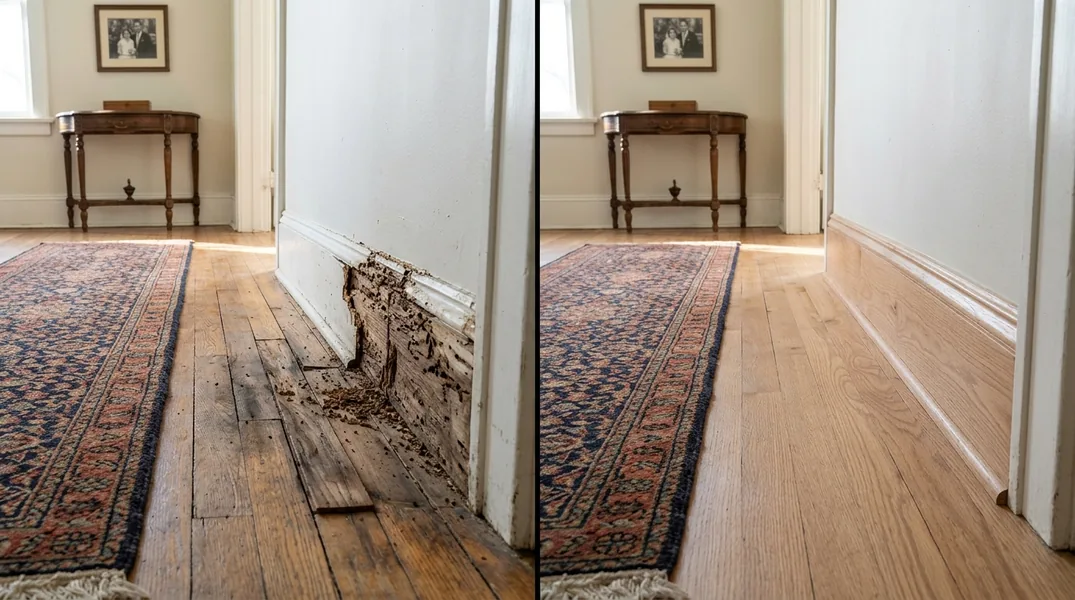
Why Springfield's Climate Creates the Perfect Storm for Wood Damage
Springfield sits in a region where moisture, humidity, and temperature fluctuations create ideal conditions for both termites and wood rot. Our summers are warm and humid, while spring rains soak into the soil around your foundation. This combination of factors means wood-destroying pests and fungal decay thrive in ways they might not in drier climates. If you own a home here, you're essentially living in a wood-eater's paradise, whether that pest is a termite or a rot-causing fungus.
The soil composition in the Springfield area also plays a role. Our clay-heavy soils retain moisture exceptionally well, which means water stays near your foundation longer. Termites need moisture to survive, and wood rot fungi absolutely require it to spread. When your home's wooden components (sill plates, rim joists, basement walls) are exposed to prolonged dampness, decay accelerates rapidly. This is why so many homeowners in our region discover advanced wood damage only after a professional inspection.
Understanding the Signs of Termite Damage in Your Springfield Home
Many homeowners don't realize they have a termite problem until significant structural damage has already occurred. Signs of termite damage can be subtle at first, which is why early detection matters enormously. The most obvious indicator is a termite swarm missouri residents should watch for during spring and fall. These swarms typically happen when winged termites leave the colony to establish new nests, and they're often the first visible sign that you have an infestation.
Beyond swarms, look for mud tubes running along your foundation or basement walls, hollow-sounding wood when you tap on it, buckling floors, or visible tunnels inside wooden beams. Termites eat wood from the inside out, so exterior damage may not appear until the structural integrity is already compromised. If you notice any of these warning signs, don't wait. Contact Springfield Carpentry at (417) 815-0186 to schedule an inspection and discuss Termite Damage Repair options before the problem spreads.
Wood Rot vs. Termite Damage: How to Tell the Difference
While both termites and wood rot destroy your home's structural components, they operate very differently. Wood rot is caused by fungal decay that requires moisture and oxygen to spread. It typically appears as soft, spongy wood that crumbles easily when poked. The affected wood often darkens and may develop a musty smell. Termite damage, by contrast, leaves behind hollow galleries and mud tubes, and the wood typically appears more intact on the surface even though it's been hollowed out inside.
Understanding the difference is crucial because the treatment approach varies. Wood Rot & Dry Rot Repair focuses on removing the decayed wood, addressing the moisture source, and replacing damaged structural elements. Termite treatment requires pest control intervention followed by structural repairs. Many homes in our region suffer from both problems simultaneously, which is why a thorough professional inspection is essential. Springfield Carpentry can identify which threat you're facing and recommend the right solution for your situation.
Common Areas Where Wood Damage Strikes First
Certain parts of your home are more vulnerable to termites and rot than others. Basements and crawlspaces are prime targets because they're naturally damp and often poorly ventilated. Floor Joist & Subfloor Repair is one of our most common services because these structural elements sit close to soil and moisture. Sill plates (the wooden beams that connect your foundation to the rest of the frame) are another frequent problem area. Attics can also develop rot if roof leaks go unaddressed, and exterior trim around windows and doors deteriorates quickly when caulking fails.
The foundation perimeter deserves special attention. Termites often enter through cracks in concrete or gaps where utilities penetrate the foundation. Once inside, they travel upward through wooden structural members. Regular inspections of these vulnerable zones can catch problems early. If you notice soft spots, discoloration, or visible pest activity in any of these areas, it's time to reach out for a free estimate from Springfield Carpentry. Early intervention can save you thousands in repair costs.
What Structural Repairs Look Like: From Minor Fixes to Major Replacements
The scope of wood damage repair depends entirely on how far the decay or infestation has progressed. Minor damage might involve removing a small section of rotted wood and replacing it with new lumber. More extensive damage could require replacing entire rim joists, sill plates, or floor systems. In severe cases where structural integrity is compromised, Beam Replacement & Load-Bearing Wall Removal work becomes necessary. This is where professional engineering and carpentry expertise intersect to ensure your home remains safe and sound.
The repair process typically begins with a thorough inspection to determine the extent of damage. Once we understand what we're dealing with, we remove all compromised wood, treat any remaining pest or moisture issues, and install new structural components. This might involve temporary support walls to carry the load while we work, precise carpentry to match existing framing, and careful finishing to blend repairs with the original structure. The entire process requires specialized knowledge and tools that go well beyond typical DIY carpentry. For homes in Springfield dealing with significant structural damage, professional repair is not optional, it's essential for safety.
Prevention: How to Protect Your Springfield Home Before Damage Starts
The best approach to wood damage is preventing it in the first place. Start by controlling moisture around your home. Ensure gutters and downspouts direct water at least four to six feet away from your foundation. Grade your soil so water slopes away from the house rather than pooling near the foundation. Install and maintain proper ventilation in crawlspaces and attics. Fix roof leaks promptly, keep exterior wood sealed and painted, and maintain caulking around windows and doors. These simple steps dramatically reduce the conditions that termites and rot fungi need to thrive.
Professional inspections are equally important. Many pest control companies and carpentry firms recommend annual inspections, especially for homes over 20 years old or those with a history of moisture issues. Regular monitoring allows you to catch problems while they're small and affordable to fix. If you haven't had a professional look at your home's structural integrity in several years, now is the time. Springfield Carpentry offers comprehensive inspections and can identify risks before they become emergencies. Call (417) 815-0186 or visit our website to schedule an appointment and learn more about pricing for inspections and repairs in your area.
Looking for a professional carpentry contractor in Springfield? Springfield Carpentry responds fast for all your carpentry needs.
Get a Free QuoteOur services: Wood Rot & Dry Rot Repair · Termite Damage Repair · Floor Joist & Subfloor Repair